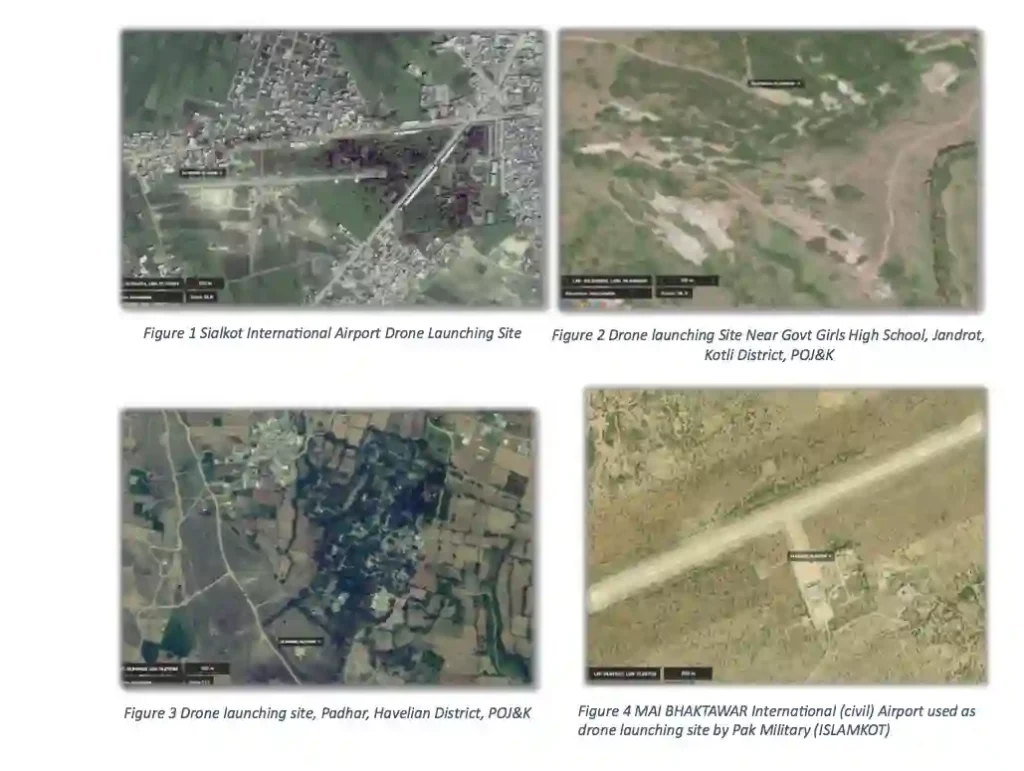
The Pakistan Army has long followed a pattern of deploying troops, artillery guns, rockets, missiles, air defence systems, and drone-launch infrastructure within densely populated civilian areas. This practice has been repeatedly observed not only during routine deployments along the Line of Control (LoC), but also during military operations such as Operation Bunyan um Marsoos in May 2025.
Such deployments are not incidental; they appear to form part of a deliberate operational strategy. The underlying objective is twofold. Firstly, the presence of military assets amid civilian populations is intended to deter retaliatory action by the adversary due to the risk of collateral civilian casualties. Secondly, if these positions are targeted in response, any resulting civilian damage can subsequently be exploited for narrative warfare, propaganda campaigns, and the generation of domestic as well as international sympathy.
Along the Line of Control, the Pakistan Army has consistently positioned mortars, artillery guns, and firing detachments inside villages and populated settlements. Civilian houses have also frequently been used as staging points and launch pads to facilitate infiltration attempts into Indian territory. Historical evidence from both the 1965 India–Pakistan War and the 1971 India–Pakistan War demonstrates that Pakistan extensively utilised villages and civilian settlements for active firing positions and gun areas.
During Operation Bunyan um Marsoos, multiple civilian localities and populated areas were reportedly converted into active military sites. Several examples highlight this pattern. On the nights of 08 and 09 May 2025, Pakistan launched numerous drones towards India using infrastructure and launch sites situated within or adjacent to civilian zones. These included facilities at Sialkot International Airport, a drone launch site near Government Girls High School in Jandrot, Kotli in Pakistan- occupied Jammu & Kashmir (PoJ&K), another launch site at Padhar in Havelian District of PoJ&K, and the use of Mai Bhakhtawar International Civil Airport at Islamkot as a drone-launching hub for military operations.
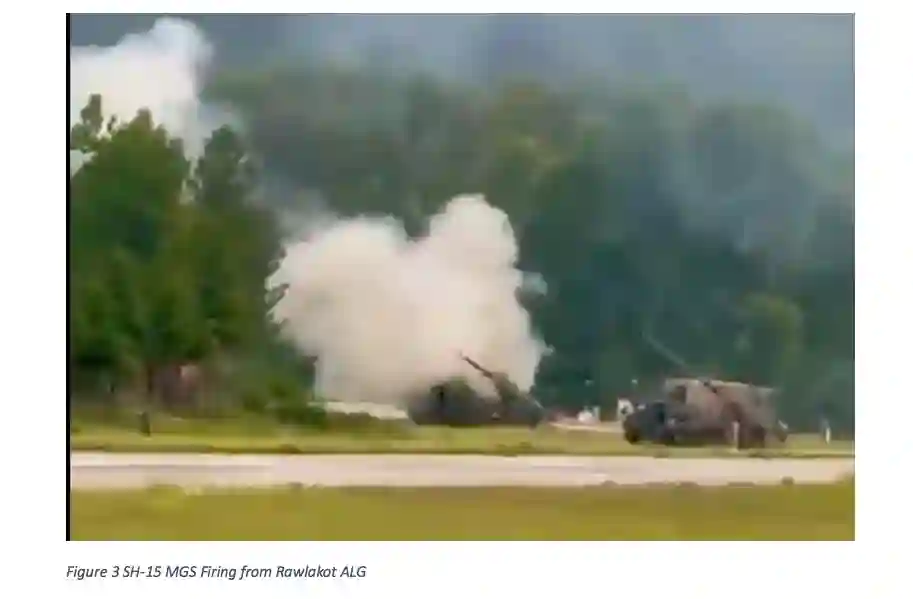
Similarly, the recently inducted Chinese-origin SH-15 Mounted Gun System was reportedly deployed at Bareela Sharif village on 08 May 2025, from where it conducted active firing missions. Videos and photographs circulating widely on social media appeared to show the artillery system positioned deliberately within a populated village area. Another SH-15 deployment was reportedly identified near the Rawalakot Advance Landing Ground (ALG), situated in close proximity to civilian habitations, from where firing towards Indian civilian areas in Poonch District was carried out.
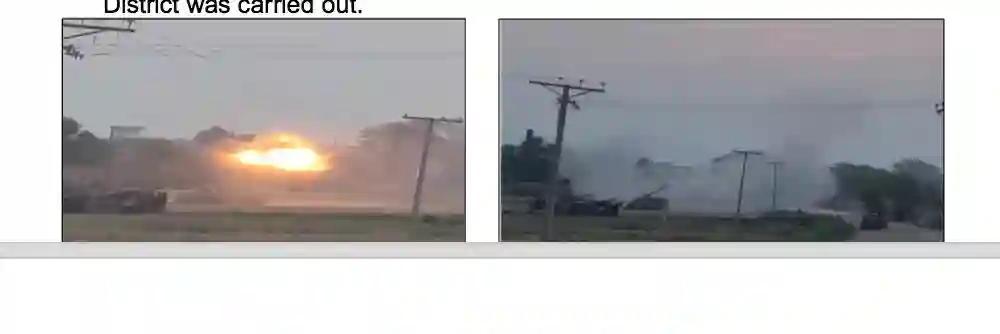
The Pakistan Army has repeatedly been accused of deliberately targeting Indian civilian areas along the border in an attempt to increase the humanitarian and administrative burden on India and to spread fear among border populations. In another instance, Pakistan’s much- publicised FATAH series rocket system was reportedly deployed inside the populated area of Shakargarh. Viral social media footage showed civilians gathered close to the launcher, cheering the firing, seemingly
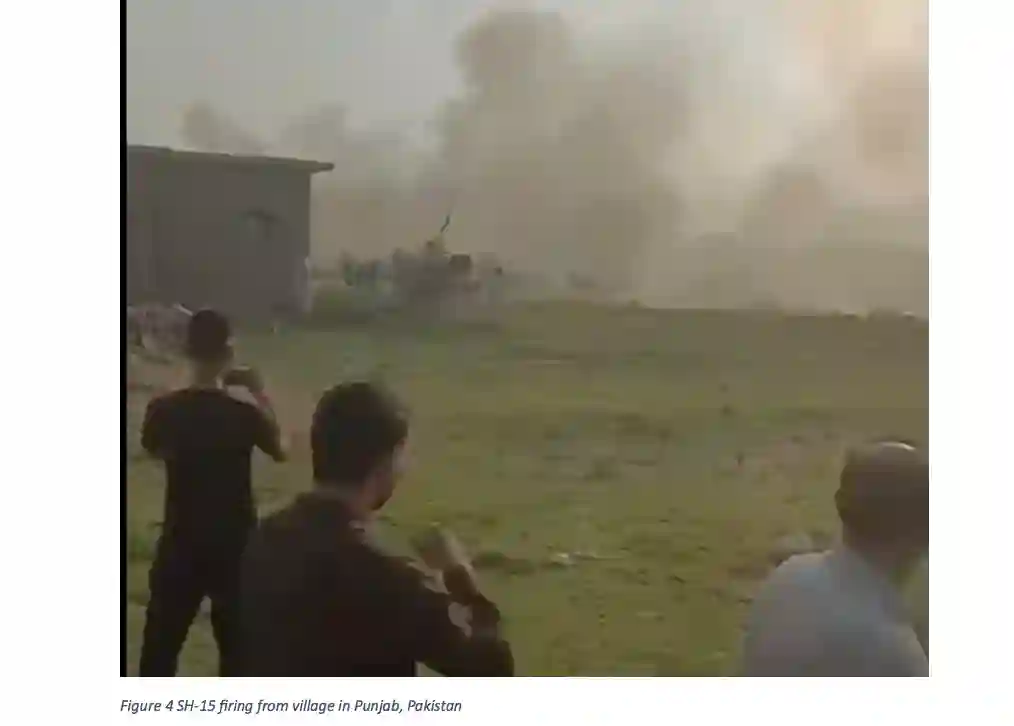
unaware of the grave risks posed by the deployment of high-value military assets in close proximity to residential homes.
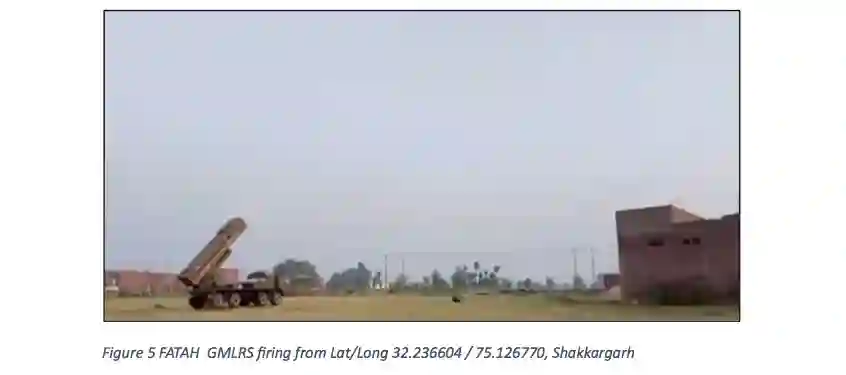
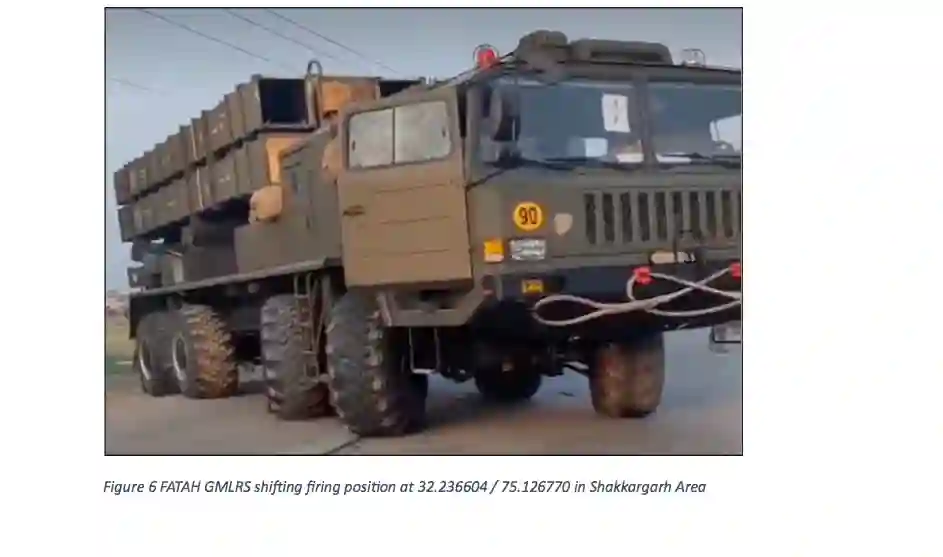
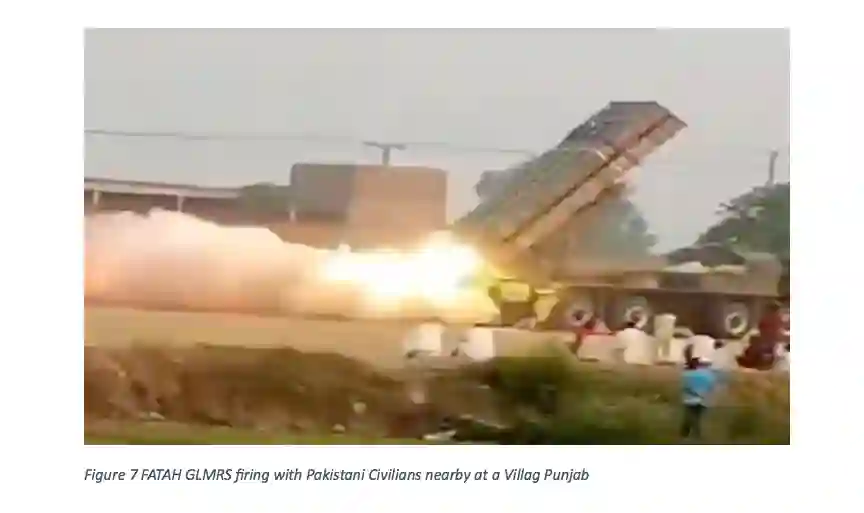
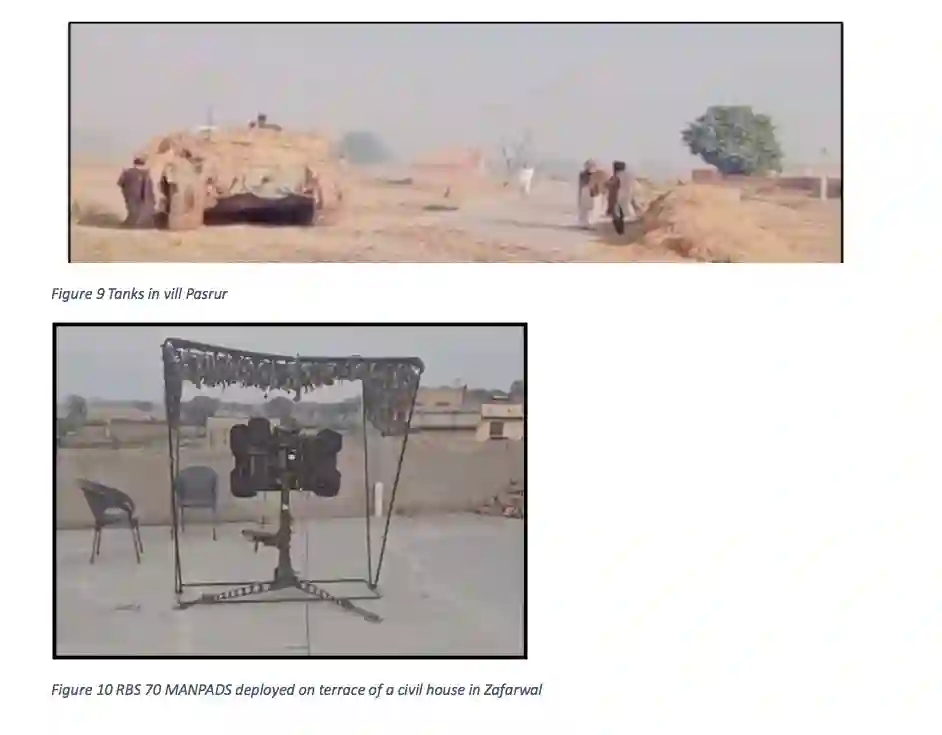
Additional reports and visuals indicated the deployment of an air defence gun system in Kotla village, Gujrat; an RBS-70 MANPADS positioned on the roof of a civilian house in Zafarwal, Punjab; and artillery systems placed near Bunguna Sahib Singh School. These incidents collectively reinforce concerns regarding the systematic militarisation of civilian zones by the Pakistan Armed Forces.
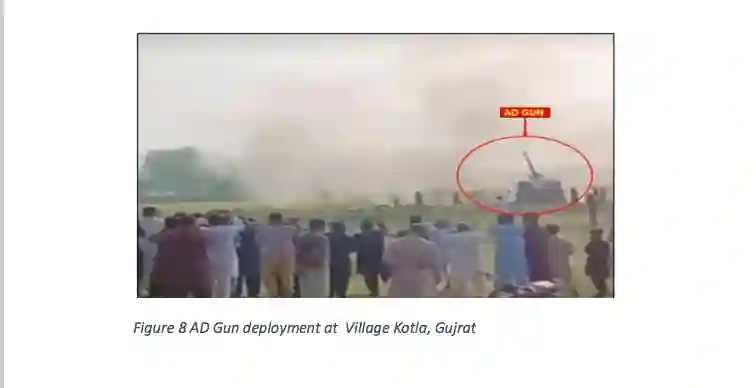
It is noteworthy that during Operation SINDOOR, India reportedly exercised restraint in avoiding strikes on such civilian-populated locations despite the presence of military assets, underscoring the importance accorded to civilian lives and the minimisation of collateral damage. In contrast, the repeated placement of weapon systems within villages, schools, airports, and residential localities by the Pakistan military raises serious questions regarding the safety and security of its own civilian population.
The people of Pakistan & Pakistan Occupied Jammu & Kashmir must recognise the inherent dangers associated with permitting military deployments inside villages, towns, and cities. Under the laws and conventions governing armed conflict, any site being actively used for military purposes, including weapon deployment and firing positions, constitutes a legitimate military target during wartime. Civilian populations should therefore strongly discourage the deployment of such military infrastructure in their residential areas in order to safeguard innocent lives.